
26 máj How Stake Casino Game Thumbnails Load Fast Canada Impatient Tester
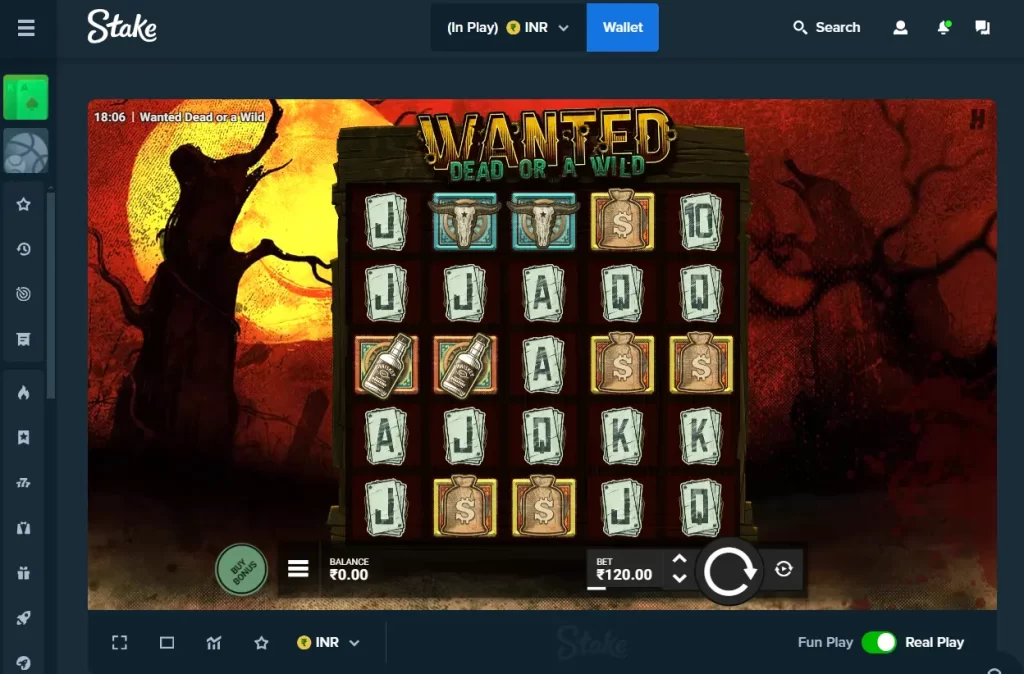
We are demanding testers. Each second of delay in an online casino grates on us. For players in Canada, speed is not only a nice bonus. It is what keeps people playing. stake casino withdrawal request Casino gets this right. Their game thumbnails appear swiftly, a small detail that creates a big difference. That first grid of images is a test. If it slows, you doubt about the whole platform. If it pops up fast, you feel ready for a smooth session. Let us examine how they do it.
The Key Initial Impact of Casino Game Lobbies
Think of the game lobby as the casino’s front door. In Canada, internet speeds can vary from great in the city to spotty in the countryside. A page of slow, stuttering game icons kills the mood instantly. Those thumbnails are your visual menu. When they appear piece by piece or stay blank, your trust dwindles. That moment decides if you’ll make a deposit or just hit the back button.
Stake Casino appears to understand this. Their lobby loads with game art quickly, whether we test on fibre optic or a slower mobile connection. This isn’t luck. It comes from a choice to treat these visuals as seriously as the games. They’re telling you your time matters, right from the start. That builds confidence before you’ve even placed a bet.
Smartphone Experience and Data Usage
Much of the casino play in Canada happens on phones. Mobile networks bring problems like inconsistent signals and data limits. A site that functions on desktop but falters on mobile doesn’t pass muster. Stake’s fast thumbnails are essential here. Compressed images and smart caching require less data, a real issue for users with capped plans. It also saves battery life because the phone’s radio and processor don’t have to work as hard.
They improve the mobile experience with responsive design. The thumbnails are likely adaptive. The server or CDN transmits an image size that fits your specific screen. A phone gets a smaller, lighter file than a desktop monitor. This precision prevents wasting bandwidth on pixels you’ll never see. For a tester on a https://www.theguardian.com/society/2021/feb/02/uk-gambling-firms-online-slot-machines commute, it ensures the lobby opens as fast on cellular data as on home Wi-Fi. That erases a common annoyance.
Comparative Analysis with Other Platforms
We evaluate by comparing. Placing Stake alongside other well-known casinos in Canada reveals clear differences. Many sites, notably older ones or those using generic software, have noticeable lag when loading thumbnails. We notice grey placeholders, icons that load one after another, or broken images that need a page refresh. These are typical signs of unoptimized images, a poorly set-up CDN, or overloaded servers.
Stake’s steady performance indicates a built-in advantage. Their platform feels like it was designed as one piece, not cobbled together from different parts. Controlling the whole technology stack enables them fine-tune the details we notice. Other sites may show the same games eventually, but the wait leaves them feel second-rate. To an impatient tester, speed means quality. Stake’s method provides them a clear lead in this part of the user experience.
Image Compression and Modern Formats
Large images use up bandwidth. Sending them raw could hinder things down, frustrating anyone on a wireless plan. Our checks indicate Stake reduces their thumbnails heavily but intelligently. Automatic tools probably eliminate concealed file metadata and decrease sizes without rendering the pictures look blurry on a typical screen. The trick is keeping the art attractive but small.
They presumably utilize newer image formats like WebP or AVIF. These formats encode more effectively than old-school JPEGs or PNGs. A WebP file can be much more compact than a JPEG of the equivalent image. That implies quicker downloads and less data used. For an eager tester, the lobby just shows up. This selection demonstrates a contemporary approach. Performance and usability outperform clinging to outdated standards.
Backend Setup and Server Reaction Times
Caching Networks manage the static images, but the initial lobby request contacts Stake’s own servers first. The swiftness of this server reply, called Time to First Byte, is vital. A slow backend holds up everything, even with a perfect CDN. Stake puts resources in performant server infrastructure, probably using cloud services with data centres in Canada. This setup processes those initial requests without hanging about. The servers effectively pull your account details and the game list to build the page.
This backend speed is improved from an API-driven design. Instead of loading one heavy webpage, platforms like Stake often use lightweight APIs to get data. The frontend requests a simple list of games and their image links. The backend transmits a tiny packet of JSON data in a flash. This split between frontend and backend allows tasks to happen in parallel. It’s a indication of a technically sound platform, and it’s why the site feels so snappy when we test it.
Effect on User Behavior and Platform Trust
Combine all these technical tweaks, and the effect is real. Fast-loading thumbnails encourage visitors to linger. When we test a site and get immediate visual feedback, we remain to explore and play. This speed indicates that the platform is reliable, secure, and modern. It demonstrates the builders cared about your experience. In Canada’s crowded online casino market, that first impression can win or lose a customer.
This performance also establishes trust over time. Consistent speed hints at stability in bigger areas, like cashouts and game fairness. A casino that invests in delivering visuals quickly is probably also dedicating resources to solid security and reliable payments. For Canadian players in a regulated market, these quiet signals carry weight. The impatient tester’s need for speed actually suggests a trustworthy, professionally run casino.
The role of background loading and cache storage
The way a page requests and caches files is as important as delivery. Stake’s site most likely loads its thumbnails without blocking. The page skeleton and key functions load independently of the pictures. You can see the menus, your balance, and the navigation while the game icons populate behind the scenes. The whole page doesn’t freeze as it waits for one slow image. This helps the site feel faster than it may be in reality.
Browser caching is also very important. On your first visit, the thumbnails are downloaded to your device’s local cache. When you next you come back, your browser retrieves them straight from your hard drive. That’s far faster than loading everything again. Stake adjusts its cache-control headers correctly, instructing your browser to hold onto these static files for a good while. This is the reason the lobby appears instant when you visit again. It’s familiar and responsive.
Content Distribution Networks and Location-Based Optimization
Quick thumbnails usually suggest a quality Content Delivery Network is at work. For Canadian-based users, this is essential. A CDN is a web of servers spread around the world. It caches static files like images. When you launch Stake’s lobby, your browser fetches the thumbnails from a server node in Montreal. It does not retrieve them from one distant central server.
This location-based shortcut reduces latency, the delay before data travels. The information goes a smaller physical distance. Stake employs a high-quality global CDN. So it won’t make a difference if you’re playing from downtown Calgary or a farm in Saskatchewan. The images find an effective path. The network also handles traffic when everyone logs in after work, maintaining load times consistent during the evening rush.
Future-Proofing Through Technical Choices
The methods that make thumbnails load fast today aren’t set in stone. They show a plan to keep improving. Using modern image formats, edge computing, and better caching are commitments in what’s next. As web standards change and users demand more, a platform on this foundation is already ready. For example, the new HTTP/3 protocol functions better on shaky connections, which could help users on patchy mobile networks in rural Canada.
This future-proofing is key. Today’s impatient tester will demand even more tomorrow. By focusing on core performance metrics now, Stake positions itself to add things like video preview thumbnails later without wrecking the load time. The base infrastructure is designed for speed and growth. This forward-thinking approach ensures that your first click on the casino continues to be a model of efficiency, no matter how web tech or games progress.